

Autumn is fast approaching (faster than ever it seems this year!) and with that the chance for a renewed interest in the birds passing through our gardens. Die-hard garden listers will know that autumn perhaps brings the best chance of something unusual appearing in or over our gardens.

Visible migration or ‘vismig’ for short describes the observed movement of birds from summer breeding grounds to wintering grounds all across Britain and that includes our gardens too. Some of this movement may just be regional while other birds travel across continents. Regularly watching your garden and the skies above it through the autumn (maybe an hour first thing or in the evening) will reveal this movement happening before our very eyes.
If you are keen to join the regular ‘garden watchers’ then add yourself to the Googlesheet and record your daily sightings throughout the autumn. You can watch as little or as much as you like but you’ll be surprised at what passes through your garden at this time of year.
Roving tit flocks accompanied by Chiffchaffs, Willow Warblers and Blackcaps make their way through gardens and are sometimes joined by flycatchers or scarcer warblers such as Lesser Whitethroats. Overhead, hirundine passage picks up as birds prepare to leave our shores while gull movement becomes increasingly evident and there’s always a chance of a passing Osprey.
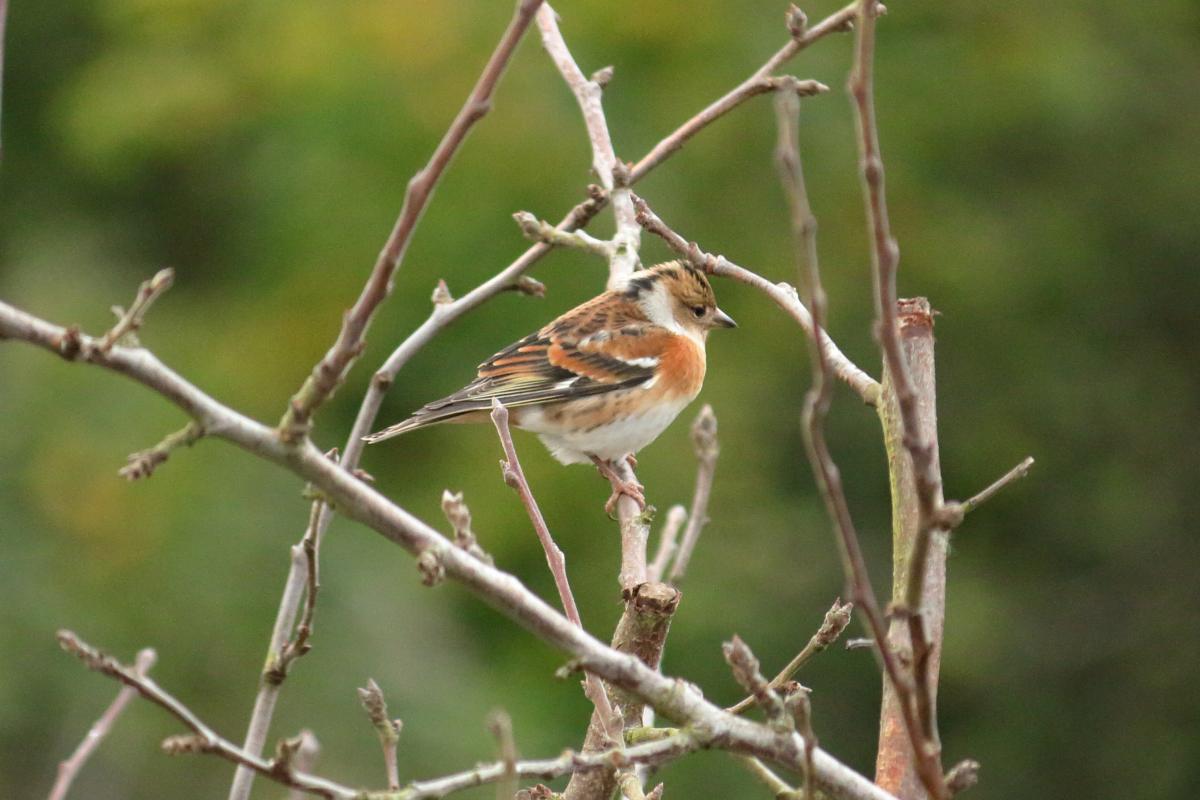 Later in September and October, Meadow Pipits arrive en masse and with them Skylarks, finches, Redwings and Fieldfares. While their numbers vary every year, Crossbills and Hawfinches are always a possibility flying over gardens in the autumn. Noticing the increased passage of birds over and through our gardens is reward in itself but finding something truly unusual is the icing on the cake. In past years, Herts gardens have revealed migrant Wryneck, Redstarts, Yellow-browed Warblers and Firecrests.
Check out Chris Ruis’ Passage Migrant Species Plots too as these indicate the peak times to see various migrant birds based on historical records.
Good luck and, if you can, share you experience and sightings on Twitter using the hashtag #hertsbirds

