


Ron Baber, who joined the Herts Natural History Society at the start of this year, has spent the summer watching and learning about wonderful wildlife on his doorstep. He shares his story with us...........
This time last year I knew virtually nothing about Dragonflies, Damselflies or Butterflies, - apart from what I could recall from my childhood in Essex. I'm 61 now so the memories are dim and distant. However, this spring and summer I determined to reacquaint myself with those memories and hopefully add a few new ones in the process.
With camera in hand I set off a couple of days a week to the Amwell NR, just 5 minutes from home in Ware. Over the period from June to August I have acquainted myself with several old friends, Red Admirals, Peacocks & "the Damselfly", and have been introduced to Skimmers, Chasers & Hawkers I didn't know existed. Butterflies and moths which were just "a butterfly" or "a moth" in my childhood, turn out to be Speckled Woods or Chalkhill Blues, or Mother of Pearls, some evocative names and some fabulous colours and patterns. Those I've seen and photographed I've listed below, nothing out of the ordinary but all bring great pleasure especially those which seem so plain until you see a close up and the colours and natural designs simply explode!
Dragonflies
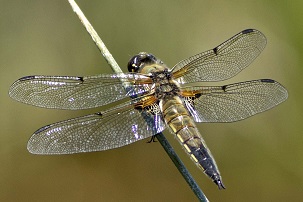
June Black Tailed Skimmer, Emperor, Four Spotted Chaser.
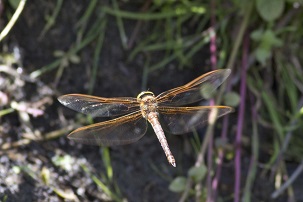
July Black Tailed Skimmer, Brown Hawker.
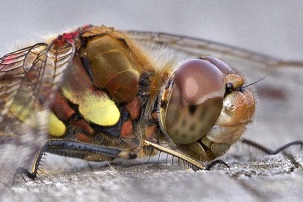
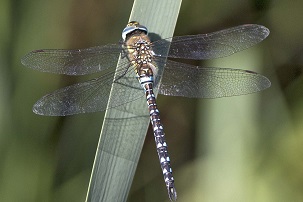
August Common Darter, Migrant Hawker, Common Blue Damselfly, Red-eyed Damselfly, Blue -tailed Damselfly, Banded Demoiselle.
Butterflies
June Meadow Brown, Ringlet
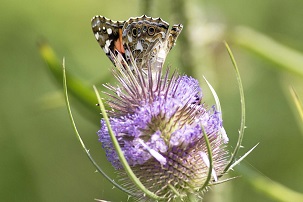
July Meadow Brown, Peacock, Red Admiral, Comma
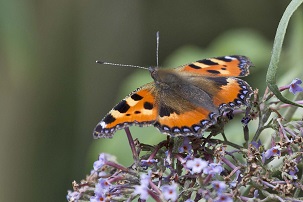 August Painted Lady, Small Tortoiseshell, Speckled Wood, Chalkhill Blue (Waterford Common), Mother of Pearl moth.
We probably all take these marvelous creatures for granted and dismiss them as "just a Red Admiral" or "just a dragonfly", I did, but not any more. Now I want to know what it is I've seen, to know where it's come from and where it's going, to try to understand a bit more about the lifecycle and the impact of changes in their environment caused by me and my fellow man. I'm a long way from that but at least I'm learning, and at 61, that's just great!
And a final Thank you to all the regular "spotters" at the Amwell NR, without exception they have willingly given me guidance and information to assist my quest for more knowledge, I hope I can pass a bit on to others in the fullness of time.
Well done Ron - what an inspiring tale - we hope it encourages others to get out there, find and observe the wildlife and submit records to the Society's database.