


We are upgrading our website and are keen to get your feedback. Please fill out a short survey here.
Welcome to the Herts Bird Club website. We promote the study and recording of birds in Hertfordshire and encourage a wider interest in natural history including the conservation of wildlife habitats.
Avian Flu advice

Spotted Flycatcher at Benington on 23rd May 2026 © David Lyons
More photographs here, on our Flickr page, in our Photo Gallery and Facebook. Follow 'Herts Bird News' on X.
When posting news on Twitter use the hashtag #hertsbirds so others can search for the latest news on Herts birds.
Latest news
The Herts Local Patch Big Weekend 2026
Competing teams found 111 species on a weekend that highlighted the best of patch birding!
The weekend of Sat 25th & Sun 26th April saw nine teams head out into their local patches to see what could be found in the 48 hours available. Alarm clocks were set early and four of the nine teams headed out on foot immediately securing them 20 ‘green’ points. Well done to the Ver Dippers, the Aquadrome Adventurer, the Mill End Lone Ranger and the Park Street Part-timer for clocking up a huge number of carbon-free steps over the weekend! Fewer steps but just as ‘green’ were the Wise Birders who watched from their garden!
New UK-wide survey - Birds in Greenspaces
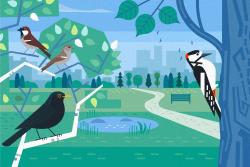
This new BTO citizen science survey, will run from April to June 2026, is open to all, and aims to find out just how important public-access greenspaces are for UK birds.
Go to Bird in Greenspaces to learn more including how to take part
2026 Rookery Survey
 Rooks are busy nest building at this time of year and the Herts Bird Club is once again asking submission of Rookery nest counts in Hertfordshire in 2026.
In 2025, 228 Rookeries with 4338 nests were found, a big increase on the 2024 totals as a result of better observer coverage. Rooks have been surveyed for a long period in Hertfordshire going back to a complete survey in 1960/61 where 521 Rookeries with 15739 nests were found (Sage & Nau, 1963). Numbers declined until the 1990's, but appear to be stable since, with a loss of Rookeries in the south of the county and trend towards more but smaller Rookeries (Knight, Herts Bird Report 2021).
House Martin Conservation – Call for records
House Martin Conservation is an independent charity that aims to increase knowledge of the house martin and create a channel for support throughout the UK and Ireland. The 2026 season sees the charity make a renewed call for all nesting records of this declining species.
In partnership with Coreo,
Latest Hertfordshire Bird Report
The Hertfordshire Bird Report 2024

The Hertfordshire Bird Report 2024 was published and circulated to members in November 2025. (Transactions of the Hertfordshire Natural History Society Vol 57 (2) pp. 89-168 ISSN 0375 3409)
Contents
Editorial (Clifford Smout)
Guidelines for observers - a checklist of the birds of Hertfordshire
Review of the year (Clifford Smout)
Latest HNHS publication
Beetles of Hertfordshire
Herts Invertebrate Project
 Read here about how to join this new recording initiative.
Herts Atlas of Mammals, Amphibians and Reptiles
 Please submit sightings and field signs of mammals, amphibians and reptiles to our countywide survey, full details at the Herts MARA website.
Hertfordshire Bird Atlas
All the results from the most recent Atlas (2007-12) and both previous atlas surveys available here.
Bird records
Please send us your Herts bird sightings through the records submission page. Use the Breeding status dropdown where applicable and Comment field to add notes of interest.
Latest sightings of interest are published on the right hand side of this page, once they have been checked by a moderator. Search for older published records by month/site/species in Sightings Archive.
See details of some great places to visit in Hertfordshire at this time of year.
Take part in our projects and surveys.
Buy a book, most HNHS books are now for sale at half price or less.
The success of the site depends on you, the users, entering your records and sending in interesting information, not only sightings which can be entered online but also reports on trips and additional site guides. We also welcome feedback on what you would like to see on the site: email birdweb@hnhs.org
Injured or orphan birds ? advice here.
The Herts Bird Club is part of the Hertfordshire Natural History Society and our websites are integrated. We hope this will encourage those of you who have not investigated other aspects of wildlife in Hertfordshire to have a look around the HNHS website, discover what is available. Please submit your records of other wildlife, including mammals, amphibians, reptiles and dragonflies through the HNHS website.
Who's who in the Herts Bird Club.
Taken a good photograph?
Please send us your Herts bird photos for display on the website, email them to the Bird Club photos team at Herts Bird Photos. with a note of where and when they were taken. A selection will be displayed on this page, added to the photo gallery and/or chosen to illustrate the annual Hertfordshire Bird Report.
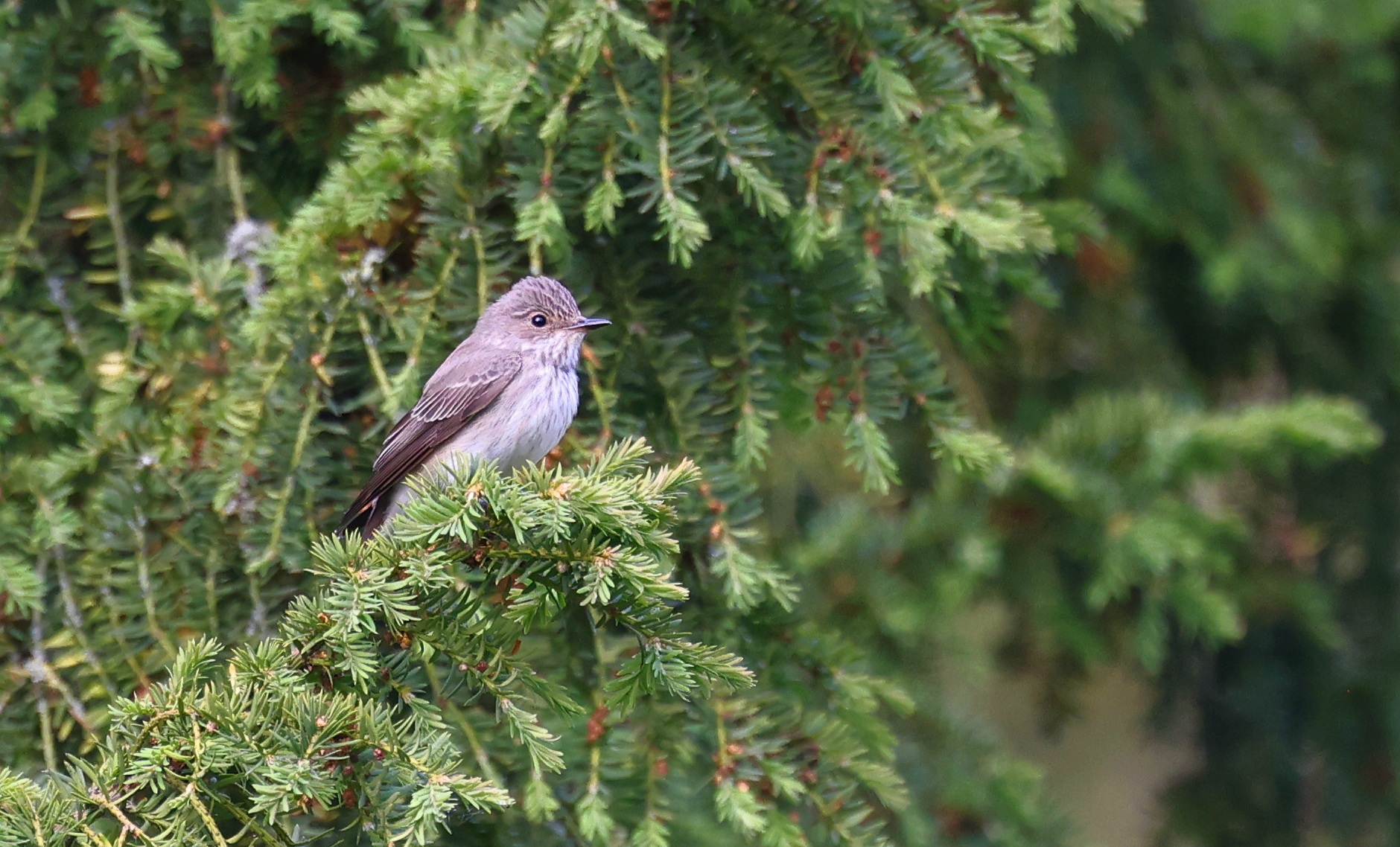
Spotted Flycatcher at Wallington on 23rd May 2026 © Stuart Fox
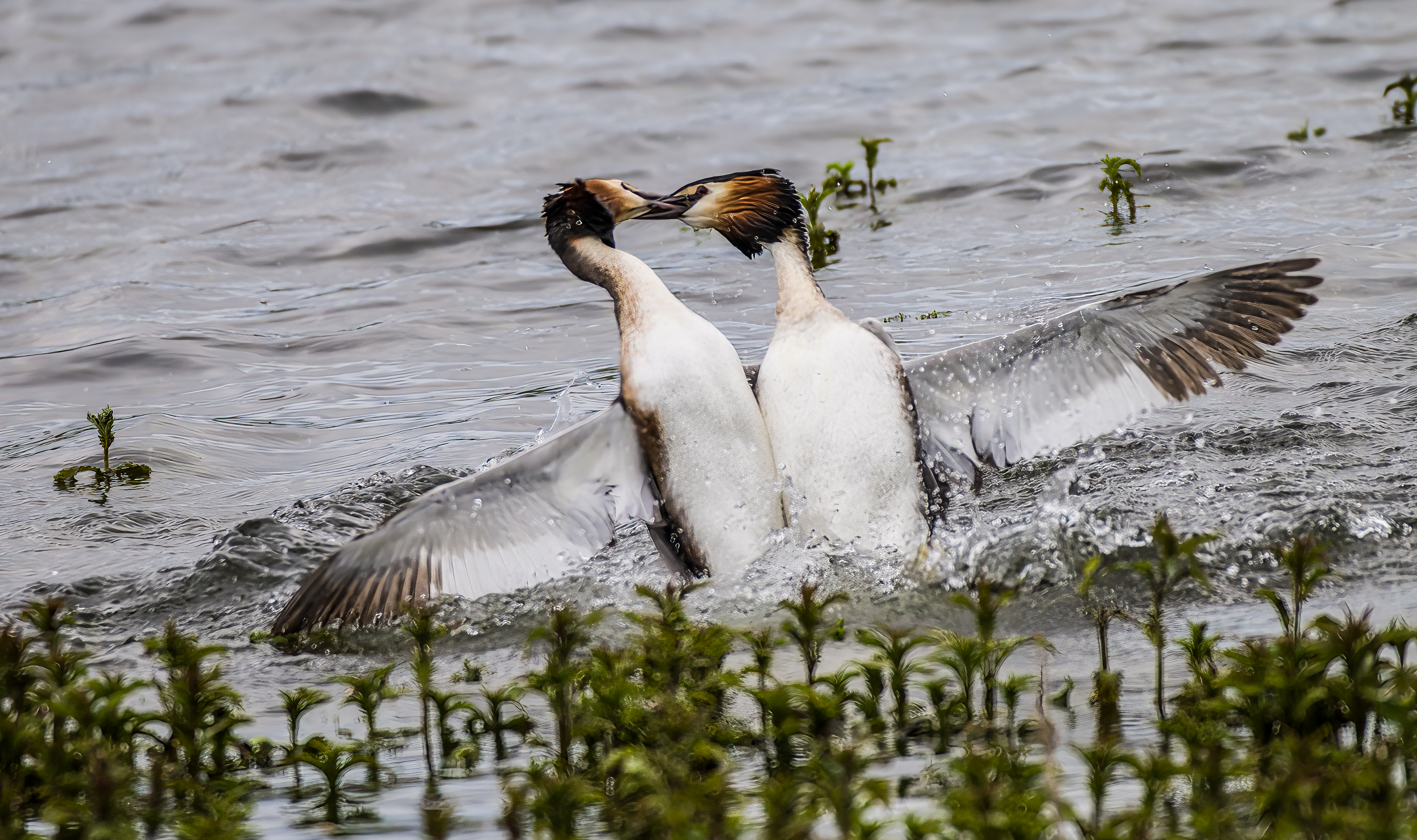
Great Crested Grebe at Wilstone Reservoir on 10th May 2026 © Ian Williams
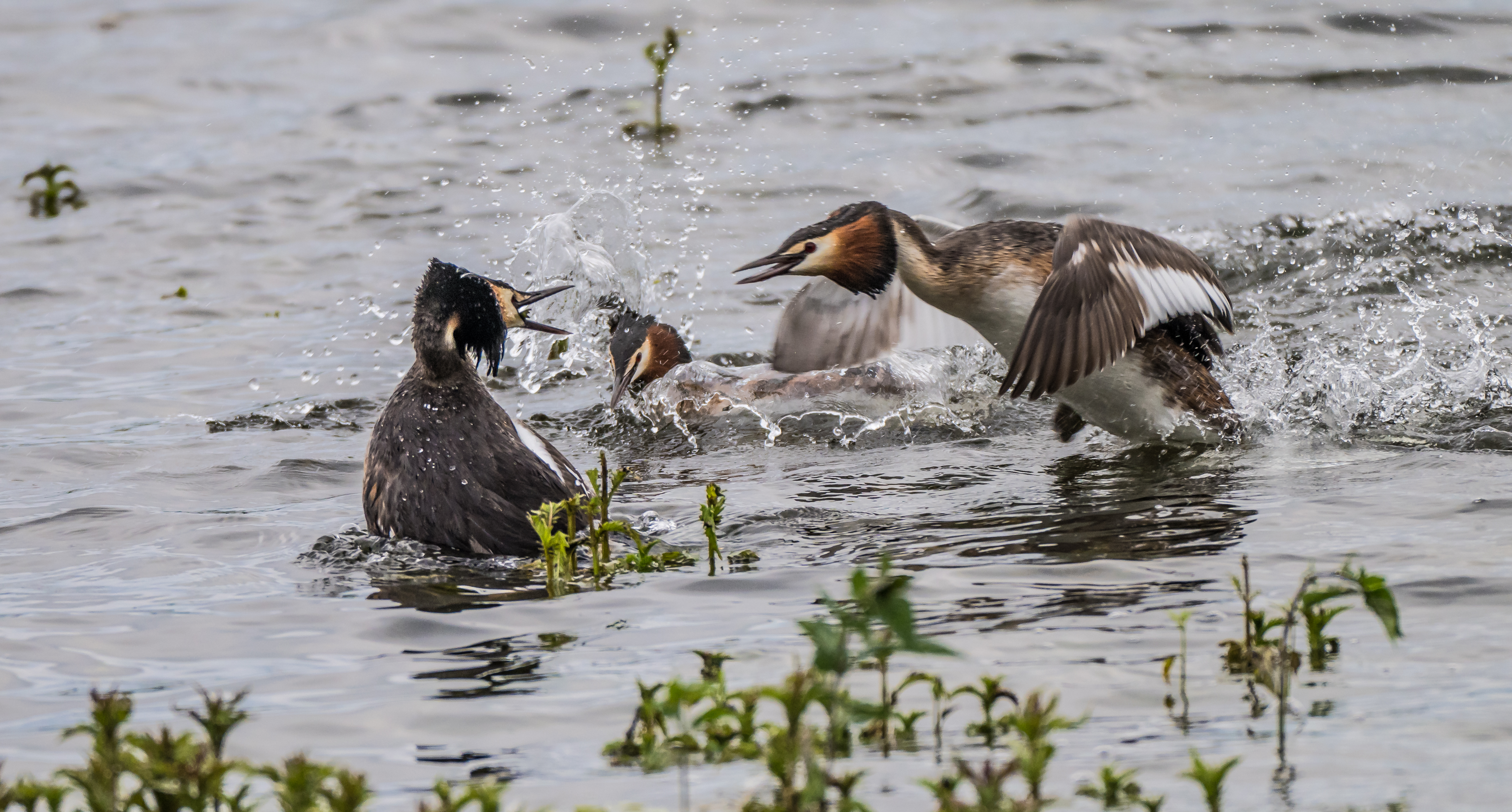
Great Crested Grebe at Wilstone Reservoir on 10th May 2026 © Ian Williams
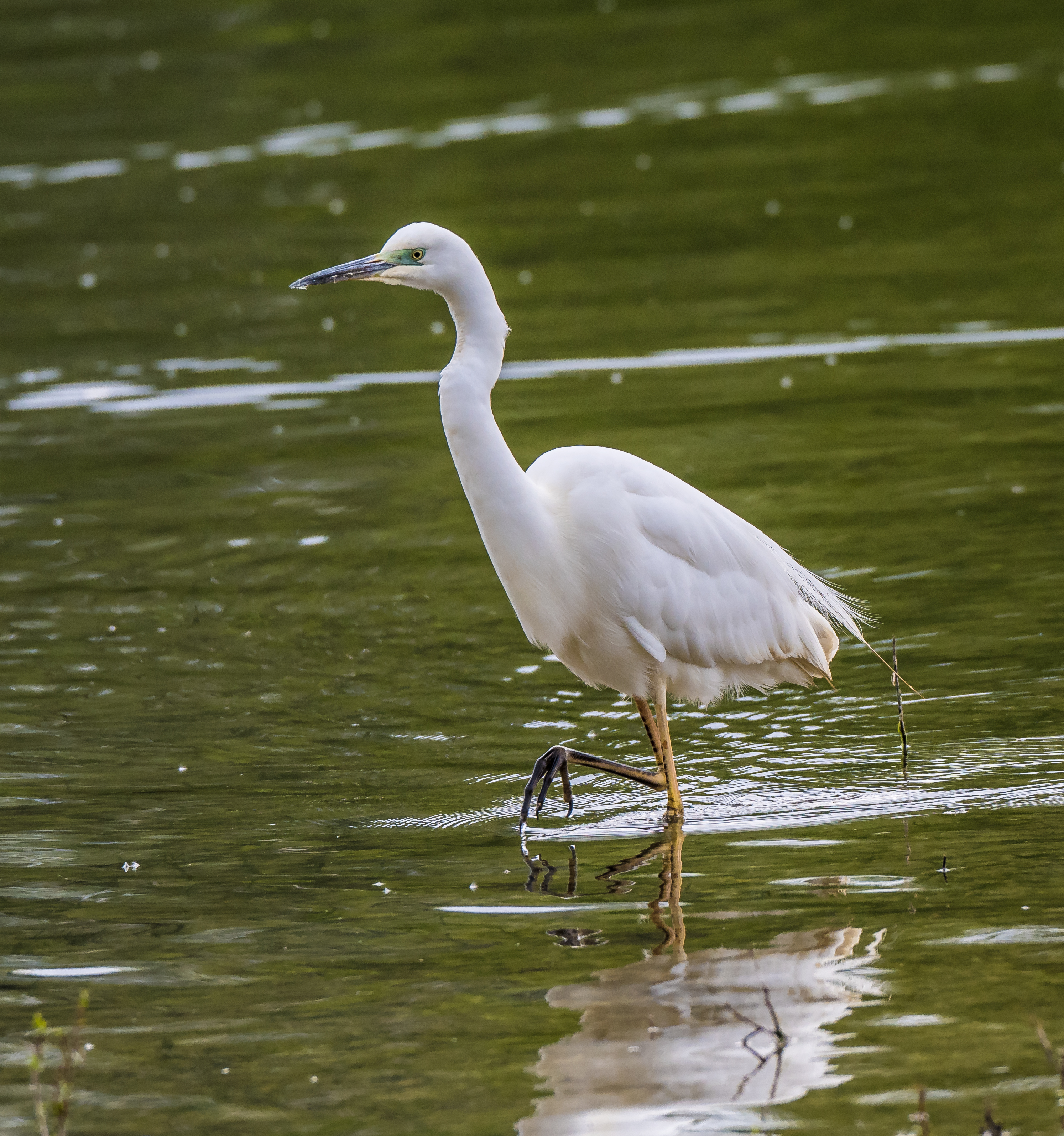
Great White Egret at Wilstone Reservoir on 16th May 2026 © Ian Williams
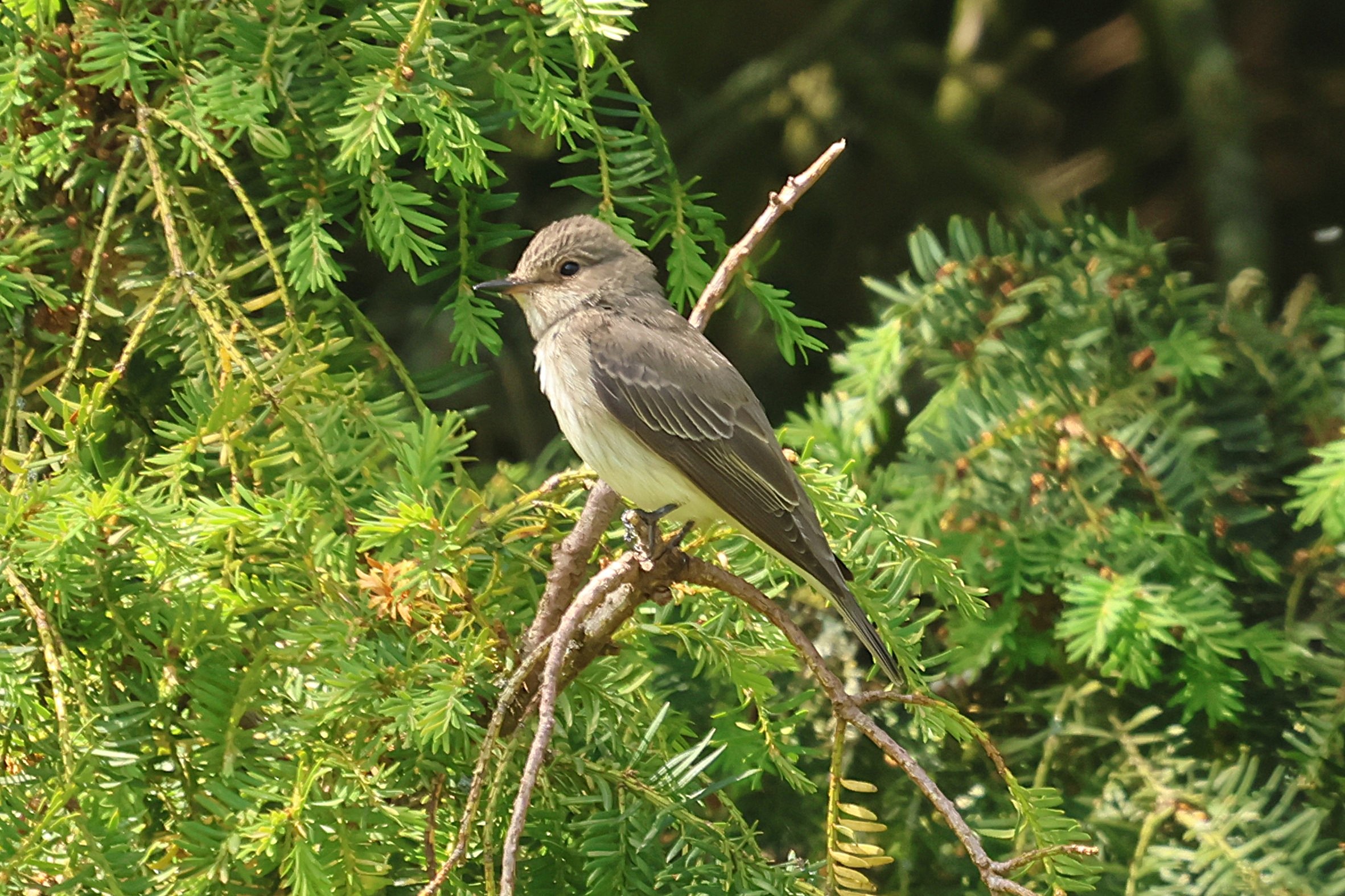
Spotted Flycatcher at Wallington on 22nd May 2026 © Andy Bartlett
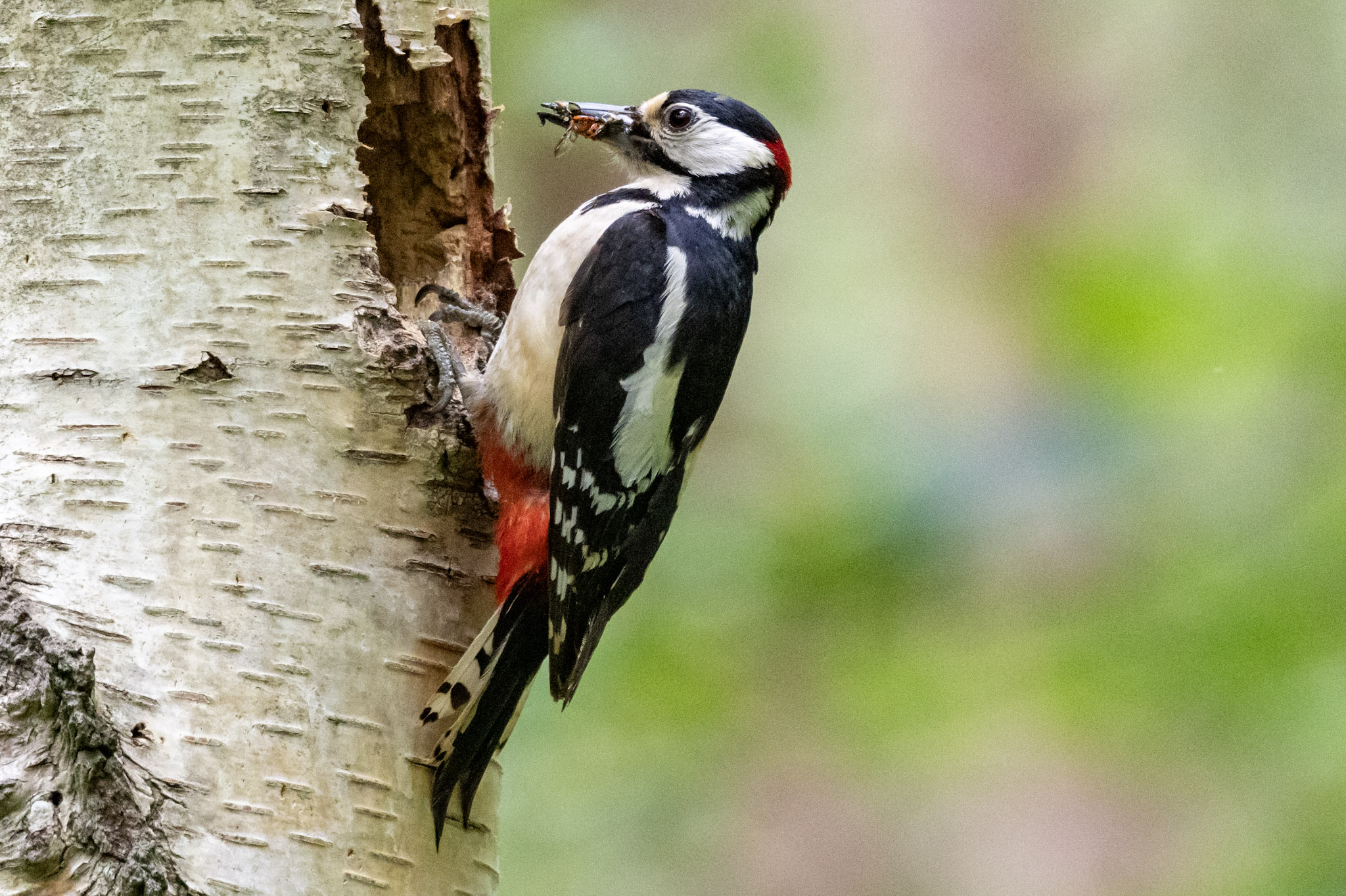
Great Spotted Woodpecker at Panshanger on 22nd May 2026 © Steve Chilton
For more photographs, visit the gallery.