

Competing teams found 111 species on a weekend that highlighted the best of patch birding!
The weekend of Sat 25th & Sun 26th April saw nine teams head out into their local patches to see what could be found in the 48 hours available. Alarm clocks were set early and four of the nine teams headed out on foot immediately securing them 20 ‘green’ points. Well done to the Ver Dippers, the Aquadrome Adventurer, the Mill End Lone Ranger and the Park Street Part-timer for clocking up a huge number of carbon-free steps over the weekend! Fewer steps but just as ‘green’ were the Wise Birders who watched from their garden!

As it was, the weather was nigh on perfect for being out and about with clear skies, beautiful sunshine and a light east to southeasterly breeze.
Such conditions meant that birds were on the move and while the absence of rain showers perhaps meant less grounded migrants, who could argue with such lovely weather! Getting the extra points for finding 3 butterfly species was not too much of a challenge for teams and 2 teams also managed to find an early dragonfly species for an extra point.
The real question was whether the more unusual birds (and indeed the higher scoring species) could be found. The preceding week had seen a good variety of migrants and long-stayers reported – not least a Ferruginous Duck at Maple Lodge and the Lesser Scaup at the Tring reservoirs – both national rarities worth 8 points. In addition, a couple of White Storks were seen just prior to the weekend in the Tyttenhanger area and the site had also hosted 6 Black Terns. Other sites had also enjoyed gull and tern passage with notably a Little Tern at Amwell on the Friday.
Saturday morning dawned with heavy mist blocking visibility at many sites – especially those with water. Cold overnight temperatures and a light frost also perhaps dulled the usual dawn chorus but all was clear and warming up by mid-morning and lists had begun to grow. The day saw a good variety of summer migrants – warblers, Cuckoos, Wheatears, Hobby, hirundines and Swifts – with some evidence of wader passage. Ringed Plovers appeared at 2 sites along with 2 Dunlin at Tyttenhanger - both scarce in the County so far this year. Common Sandpipers were also recorded but Green Sandpipers, recorded just the day before, were not to be found with consequently no points awarded for the ‘Sandpiper Double’.
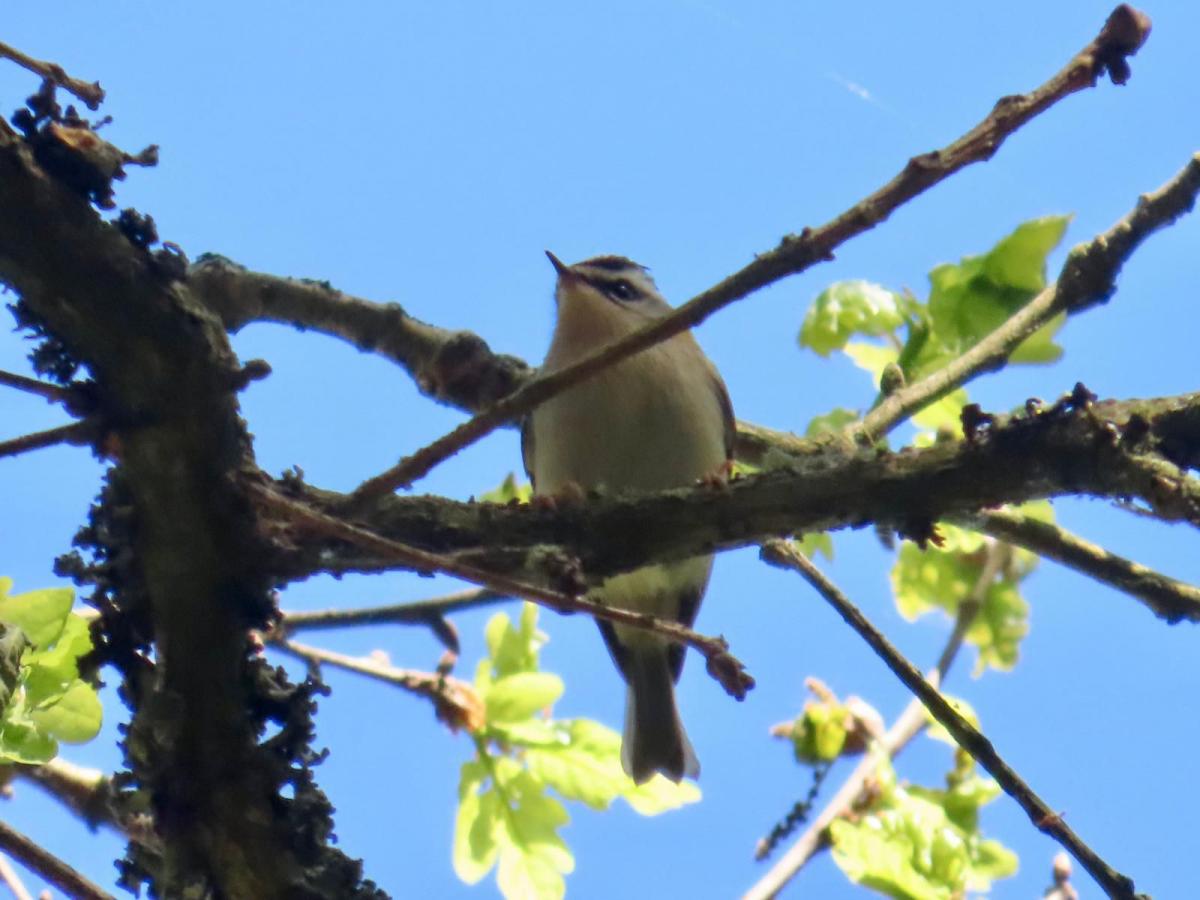 Two teams did however record White Wagtail which earned them the new ‘Wider Wagtail’ bonus points for finding a subspecies. Some late stayers were also found in the form of Common Snipe, Redpolls and Siskins with the Ver Dippers also recording a late Fieldfare, rather incongruously hopping around with a Wheatear! The Hatfield Wanderings team managed to relocate a Grasshopper Warbler at Nashe’s Farm much to their delight while three teams found Firecrests on their patches – evidence of the recent spread of this little bird in the County. A Marsh Harrier at Tring was a real highlight for the Reservoir Birders while a late Stonechat was a surprise find for the Park Street Part-timer. Tawny, Barn and Little Owls were recorded but no team managed to get all 3 meaning the ‘Owl’ bonus points went unclaimed.
Rarities were in short supply and perhaps reflected the slightly too clement conditions with harsher weather perhaps the requirement for rarity finds. The singing Nightingale at Amwell did the decent thing and stayed put for the Cousins family as did the Lesser Scaup for the Reservoir Birders. Sadly, for the Aquadrome Adventurer the hoped for Ferruginous Duck could not be found.
With 103 species recorded on the first day, by the end of the weekend the total had climbed to 111 – an impressive list for just 48 hours. Two teams – The Tyttenhanger Birders and the Cousins Family managed to find a whopping 90 species over the weekend – a reflection of the rich and varied habitats of their patches. Three other teams made it past 80 species while The Park Street Part-timer and The Aquadrome Adventurer found 71 and 72 species respectively with just one point between them at the end. Two teams – The Mill End Lone Ranger and the Wise Birders – extracted some good species from their patches despite not having large areas of open water. The Mill End Lone Ranger was the only team to find a Marsh Tit and thus the only team to secure the ‘5-tit’ bonus point. Despite confining themselves to their garden, the Wise Birders managed to find over 32 species that included a Barn Owl and 2 Redpolls. Their efforts earned them a very respectable 56 points.
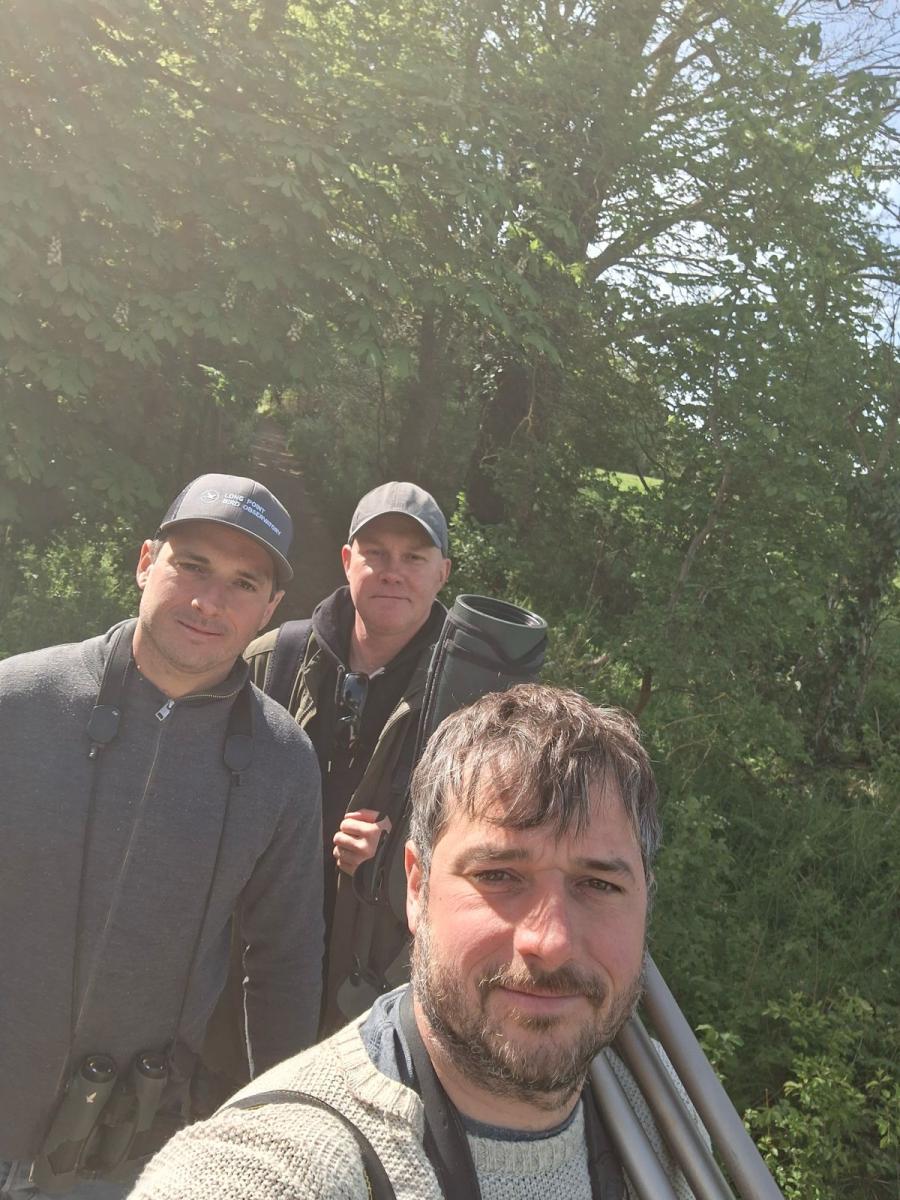 Of course, as well as the highs, most teams experienced the lows of not finding species that really should have been there. Despite having Lesser Scaup on their list the Reservoir Birds failed to find a Sparrowhawk in the Tring area. The Tyttenhanger Birders on the other hand saw at least 5 but struggled to find a Chaffinch and didn’t connect with a House Martin at all! The Ver Dippers eventually found a Little Grebe but missed out on Treecreeper, while The Aquadrome Adventurer, despite devoting hours to the search, could not find the lucrative Ferruginous Duck. While some birds just seem to be inconspicuous on the day the absence of Bullfinches from local patches (recorded by just one team) is perhaps more worrying, reflecting a real decline in the species in the County.
The end of the weekend saw 5 teams all with around 130 points – a close-run thing where just one species could change the leaderboard. However, with the high count of 136 points congratulations go to the Reservoir Birders who found 83 different species in the Tring area. Clinching them the win was the long-staying Lesser Scaup that also wins them the Best Bird category as the rarest bird found over the weekend. Thank you to Matt Moreton – local wildlife artist – who has offered a painting of the Best Bird as a prize. The Tyttenhanger Birders were close runners-up with 134 points from 90 species – if only they could have found that third owl!
Prizes will be awarded to the winning teams in due course but for now a very big thank you to everyone who participated making it such an enjoyable weekend. Worth a special mention is the Cousins Family team that included three generations all out finding birds – what a great way to spend a family weekend!
While the points system provided a competitive edge to the weekend it was first and foremost about participation in an event that encourages everyone to explore and enjoy their local patches at a time of year when anything might be found! A new feature this year that helped promote that sense of participation was a dedicated WhatsApp group that allowed teams to share sightings and chat over the weekend.
Happy birding everyone and see you all next year!

